Clone Star: A Versatile Display Font for Editorial Design
A Stylish Addition to Your Design Toolkit
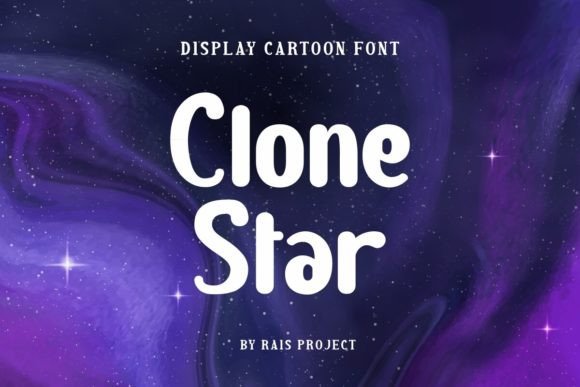
Clone Star is a delightful display font that brings a playful and charming aesthetic to your editorial projects. With its cartoon-inspired style, this font offers a unique visual personality that can elevate the tone of your content without overwhelming the reader. Whether you're crafting a blog post, designing a magazine cover, or creating an ebook, Clone Star adds a touch of whimsy that aligns perfectly with modern design trends.
Two Styles, One Impactful Presence
Clone Star comes in two distinct styles: Regular and Italic. This dual format allows for greater flexibility in your design choices. The Regular style is ideal for bold headings, titles, and attention-grabbing elements, while the Italic variant works well for pull quotes, subheadings, and decorative accents. Together, they create a dynamic range that supports both visual hierarchy and typographic balance.
Enhancing Editorial Layouts with Visual Appeal
In editorial design, the right font can make all the difference. Clone Star's cute and approachable look makes it an excellent choice for lifestyle blogs, recipe ebooks, and creative content. Its friendly character set ensures that it complements other fonts seamlessly, whether you're pairing it with a clean sans serif for body text or a classic serif for a more traditional feel.
For instance, using Clone Star as a headline on a lifestyle blog can immediately draw the reader’s eye while maintaining a sense of approachability. When paired with a readable serif font for the body copy, the contrast between the two creates a balanced and visually engaging layout.
Branding and Consistency Across Content Formats
Consistency is key in branding, and Clone Star supports this by offering a cohesive visual identity across various formats. From digital newsletters to printable guides, this font maintains its charm and readability, ensuring that your brand remains recognizable and professional.
Consider using Clone Star for a wedding guide or a coaching workbook. Its playful yet elegant style can help convey warmth and expertise, making it a great fit for both personal and professional content. By incorporating Clone Star into your brand’s visual language, you reinforce a consistent and memorable presence across all platforms.
Readability and Accessibility Considerations
While Clone Star is primarily a display font, its legibility on screens, in PDFs, and on print should not be overlooked. The characters are clearly defined, making it suitable for short bursts of text such as headlines, captions, and callout boxes. However, for longer reading sections, it’s best used in combination with a more readable font to ensure comfort and clarity for the reader.
When designing for mobile layouts, it’s important to test how Clone Star renders at smaller sizes. While it holds up well, always pair it with a secondary font for body text to maintain readability on smaller screens.
Font Pairing for Maximum Effect
Clone Star shines when paired thoughtfully with other fonts. For a modern editorial layout, consider combining it with a clean sans serif font like Montserrat or Open Sans for body text. This pairing creates a striking contrast that highlights the playful nature of Clone Star while keeping the rest of the content easy to read.
For a more sophisticated look, pair Clone Star with a classic serif font such as Georgia or Times New Roman. This combination works particularly well in print materials and can add depth and elegance to your design. In digital contexts, using Clone Star alongside a minimalist sans serif font can enhance the overall aesthetic without compromising functionality.
Practical Use Cases for Clone Star
- Lifestyle Blogs: Use Clone Star for headers and quote graphics to add a friendly and inviting tone.
- Recipe Ebooks: Apply it to title pages and section openers to create a warm and welcoming atmosphere.
- Wedding Guides: Incorporate Clone Star into cover designs and promotional materials for a charming and personal touch.
- Coaching Workbooks: Utilize it for chapter openers and motivational quotes to inspire and engage readers.
- Digital Magazines: Employ Clone Star for headlines and pull quotes to break up text and enhance visual interest.
- Printable Planners: Use it for calendar headers and section dividers to keep the design fresh and organized.
- Creator Newsletters: Integrate Clone Star into logo designs and email subject lines to strengthen brand recognition.
Commercial Licensing and Design Assets
If you're planning to use Clone Star in commercial projects, be sure to review the licensing terms provided by the font creator. Clone Star is available for use in ebooks, templates, printables, paid newsletters, client publications, and digital downloads, making it a versatile asset for content creators and publishers.
Always check if the font includes additional features such as ligatures, alternate characters, weights, and multilingual support. These options can further expand the font’s utility and adaptability to different design needs.
Conclusion
Clone Star is more than just a font—it's a tool that enhances the visual storytelling of your editorial work. With its charming style and practical versatility, it supports both creativity and functionality in every project. Whether you're designing a blog, an ebook, or a printable guide, Clone Star offers a delightful way to bring your content to life while maintaining readability and consistency.